
Earth Day 2026
Every year, Earth Day tends to prompt important global conversations about environmental impact and sustainability. But for forward-thinking businesses, it’s not a once-a-year discussion. That’s because environmental impact is not shaped by awareness days, but by long-term operational decisions, like the impact of the physical office space.
The impact of the physical office
A company’s environmental footprint is largely determined by how its office space is designed, built and run. From lease decisions through to ongoing building upgrades, the workplace is one of the most significant levers a business has to influence energy use, resource efficiency and long-term sustainability.
This is not just an environmental consideration. The same decisions directly affect operating costs. Inefficient systems, poor material choices and outdated infrastructure quietly drive unnecessary expenditure over time.
The link between environmental and financial impact
Well-informed leaders recognise that environmental performance and financial performance are closely linked. When sustainability is embedded into office design, it reduces impact while protecting cost. When you can do both, the impact is more beneficial than you think.
Not only are you protecting the environment, but you’re able to support your corporate ESG objectives which strengthen credibility with both clients and employees. You’re also future-proofing your business to align with evolving UK regulatory expectations as the climate crisis worsens – all while saving costs in the long-term to maintain commercial viability.
Here are eight ways that you can ensure that your office space is continuously supporting the environment beyond Earth Day, while protecting your finances.
1. Upgrade to low-energy LED lighting systems
Lighting is one of the simplest upgrades that can be made in the office. Legacy lighting systems, often found in older buildings, consume a large amount of energy, release excessive heat and have a considerable impact on global warming.
What to do: Switch to the most efficient LED lighting systems with L1 auto-dimming properties, which automatically dim when natural light levels are high.
Outcome: LED lighting significantly reduces electricity usage, making them both cost and energy-efficient while cutting carbon emissions. As they have a longer product lifespan, they also do not require frequent maintenance.

LED lighting systems are energy efficient and are low maintenance
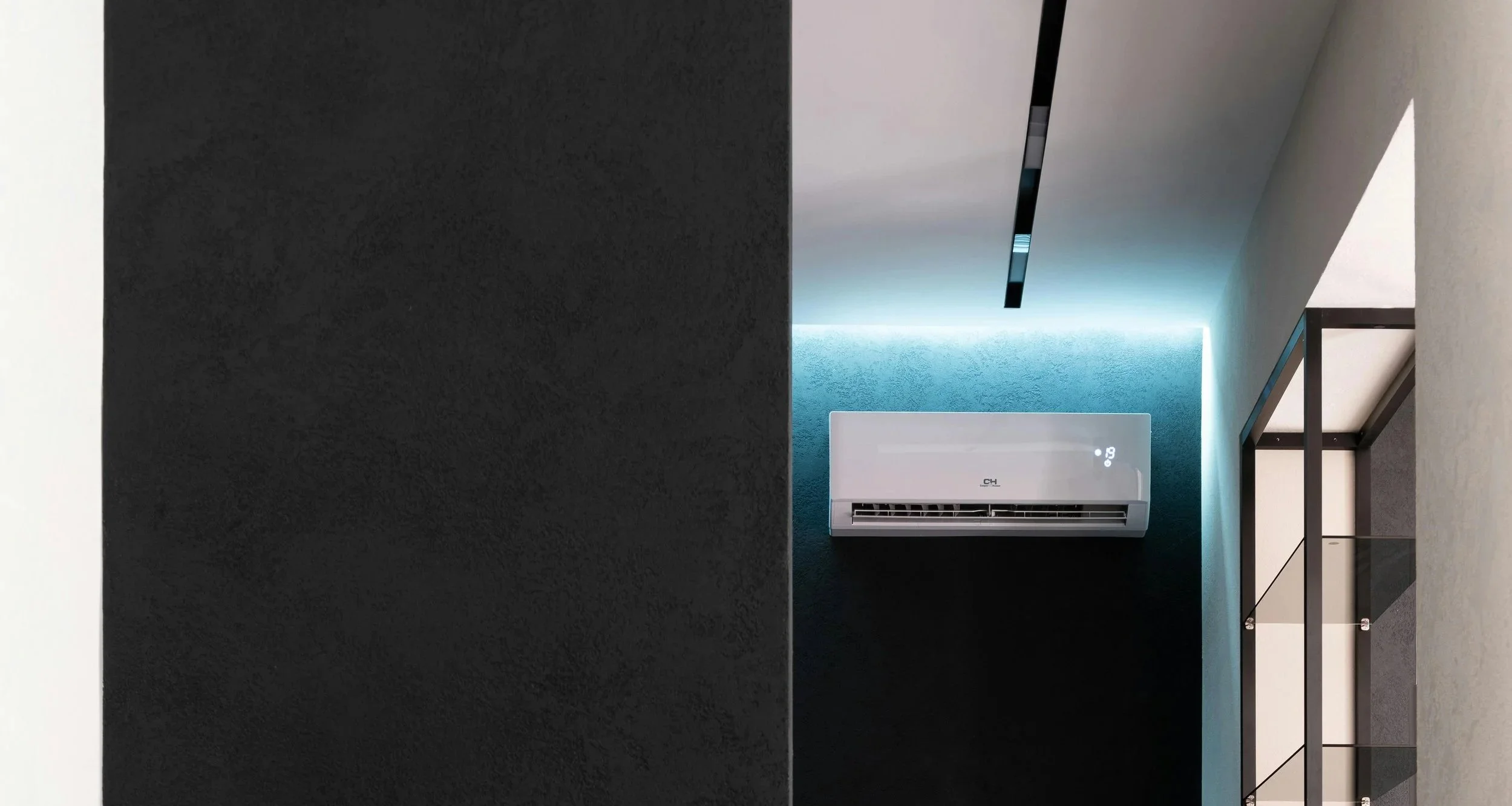
2. Assess HVAC (Heating, Ventilation and Air Conditioning) efficiency
Heating, ventilation and air conditioning systems are typically some of the largest and overlooked contributors to energy consumption in the office. Outdated systems can operate inefficiently, often running at full capacity where unnecessary, wasting energy and driving high operating costs.
What to do: Switch to fresh air systems with integrated heat recovery that transfer thermal energy from the outgoing stale air to the incoming fresh air. The transfer of heat reduces the energy needed to bring fresh air to room temperature within the internal space. You can also upgrade air conditioning systems, switching to inverter-driven units. Such systems allow for simple adjustments to the internal office temperature, whereby even a 1°C adjustment can reduce your overall energy demand.
Outcome: Newer HVAC systems can reduce energy consumption by 30-50%, protecting the environment and contributing to your organisation’s sustainability objectives. Read about the benefits that shipping company Evergreen Marine have experienced since Cityspace replaced all HVAC systems during their office fit out.
3. Switch to solar energy
With the climate in the spotlight, leadership teams are increasingly committing to ambitious carbon emission targets. The world is looking toward sustainable energy sources, and solar energy is fast becoming an attractive option. As geopolitical turbulence continues to limit access to traditional energy supply and drive energy bills up, solar power remains entirely unimpacted.
What to do: If you are the sole occupier or owner of a commercial building, consider installing solar panels on the building roof and reducing reliance on traditional energy sources.
Outcome: Using solar energy drastically lowers your organisation’s carbon footprint compared to fossil fuel, while keeping electricity bills significantly lower. For this client, solar panels are just one way that we achieved an excellent A15 EPC rating for their new office.
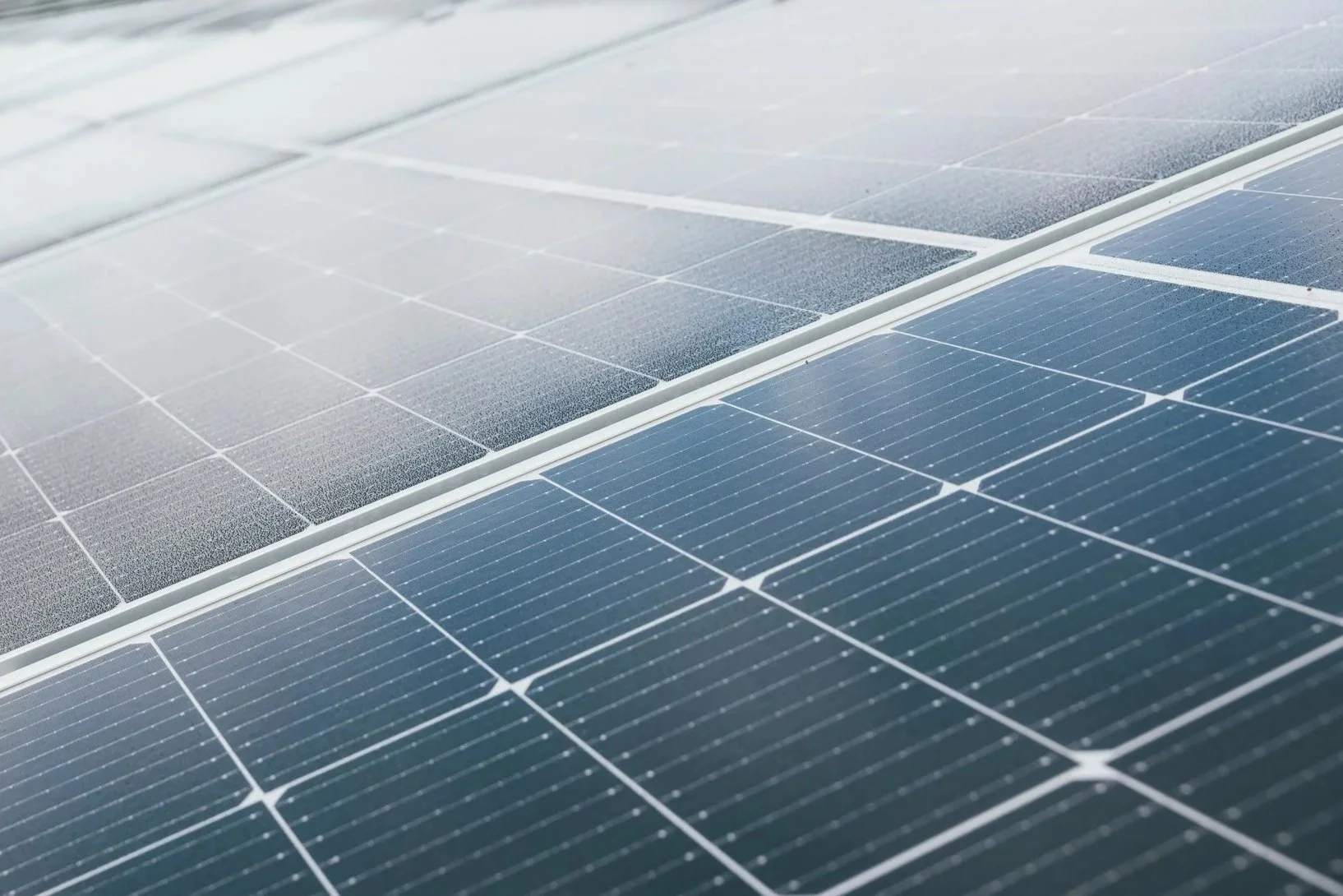
Solar energy is renewable and cost-effective
4. Specify sustainable products and a responsible supply chain
During a refurbishment or fit out, material specification and supplier selection directly determine your environmental impact. Many projects fall short by overlooking the impact of how products are sourced, manufactured and transported. Without oversight, this can result in high carbon emissions, unnecessary waste and limited lifecycle value.
What to do: Specify products and services from suppliers with recognised environmental standards such as ISO 14001, which ensures robust operational environmental management. Prioritise recycled materials like responsibly sourced timber. Where possible, retain and reuse existing furniture, and extend the life of soft furnishings through reupholstery rather than replacement.
Outcome: A considered supply chain reduces carbon output and limits landfill waste. Recycling and repurposing furniture also lowers expenditure while supporting cradle-to-cradle sustainability goals whereby furnishing and repurposed and not recycled, minimising environmental impact.
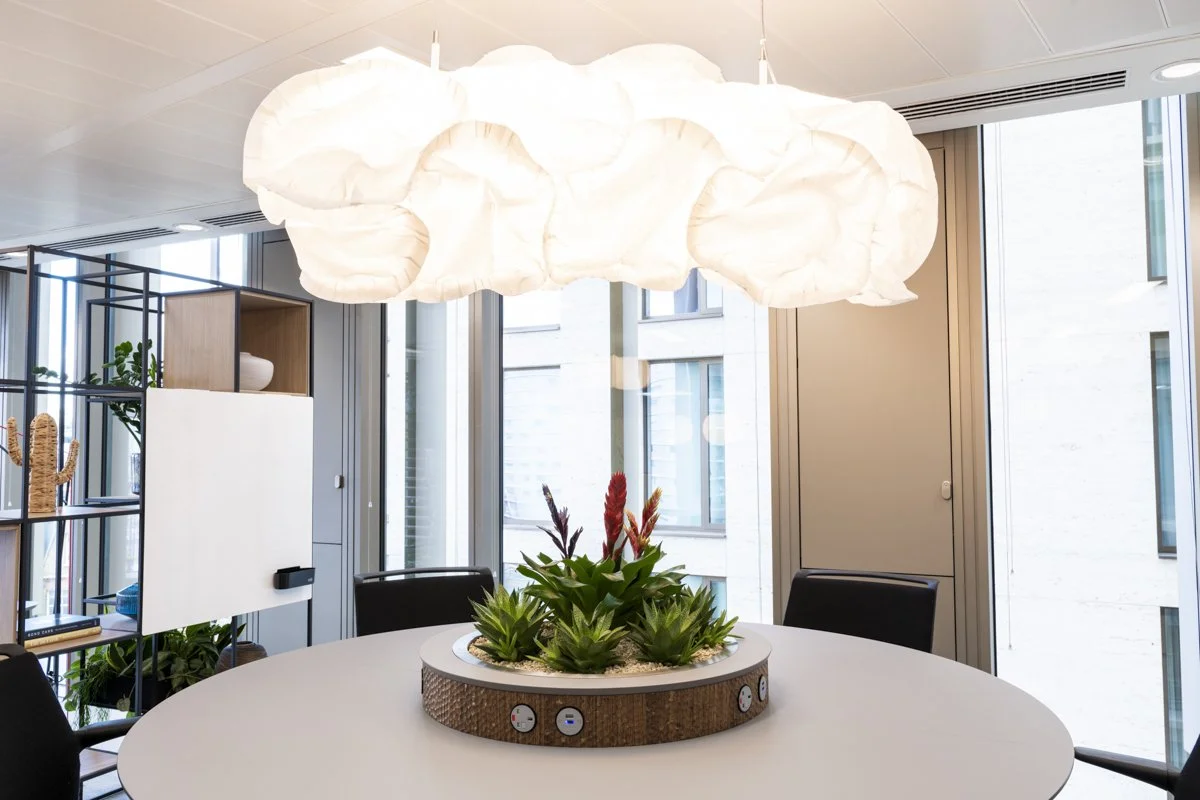
Upcycling and repurposing of furniture diverts waste from landfill.
5. Implement smart building management systems
Energy waste in the office is often driven by outdated systems that do not consider real usage or changes in environment. Lighting, heating and cooling systems tend to run at fixed levels regardless of occupancy, natural warmth or natural light, resulting in unnecessary energy consumption and costs.
What to do: Implement intelligent building management systems that respond dynamically to real-time conditions. These systems use sensors to monitor occupancy, daylight levels and internal and external temperature, and then automatically adjust, operating only when and where needed.
Outcome: Smart systems reduce energy waste by considering the actual demand. This lowers utility costs and carbon emissions, improves overall building performance and maintains comfortable working conditions.
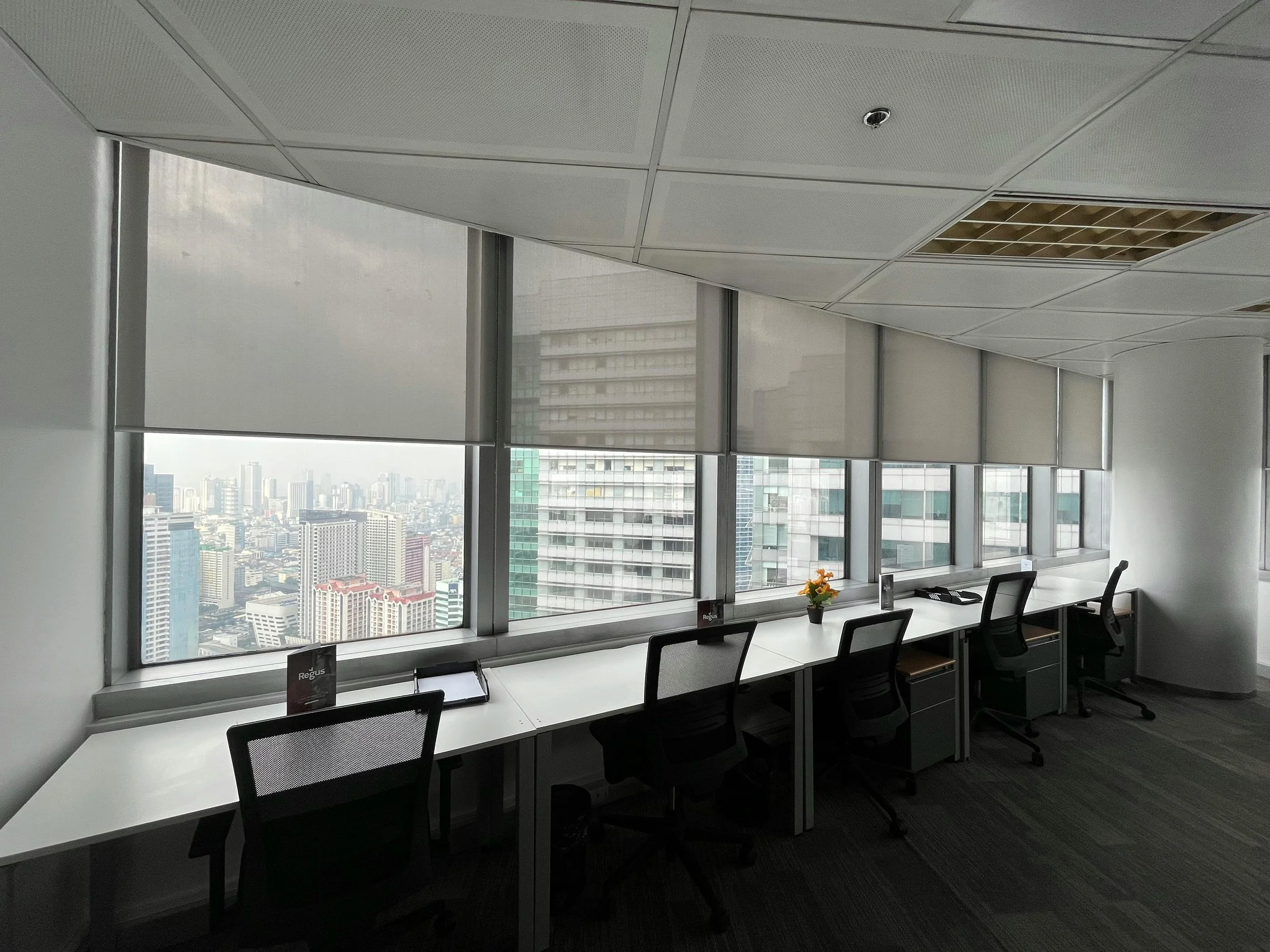
6. Control solar heat load with window treatments
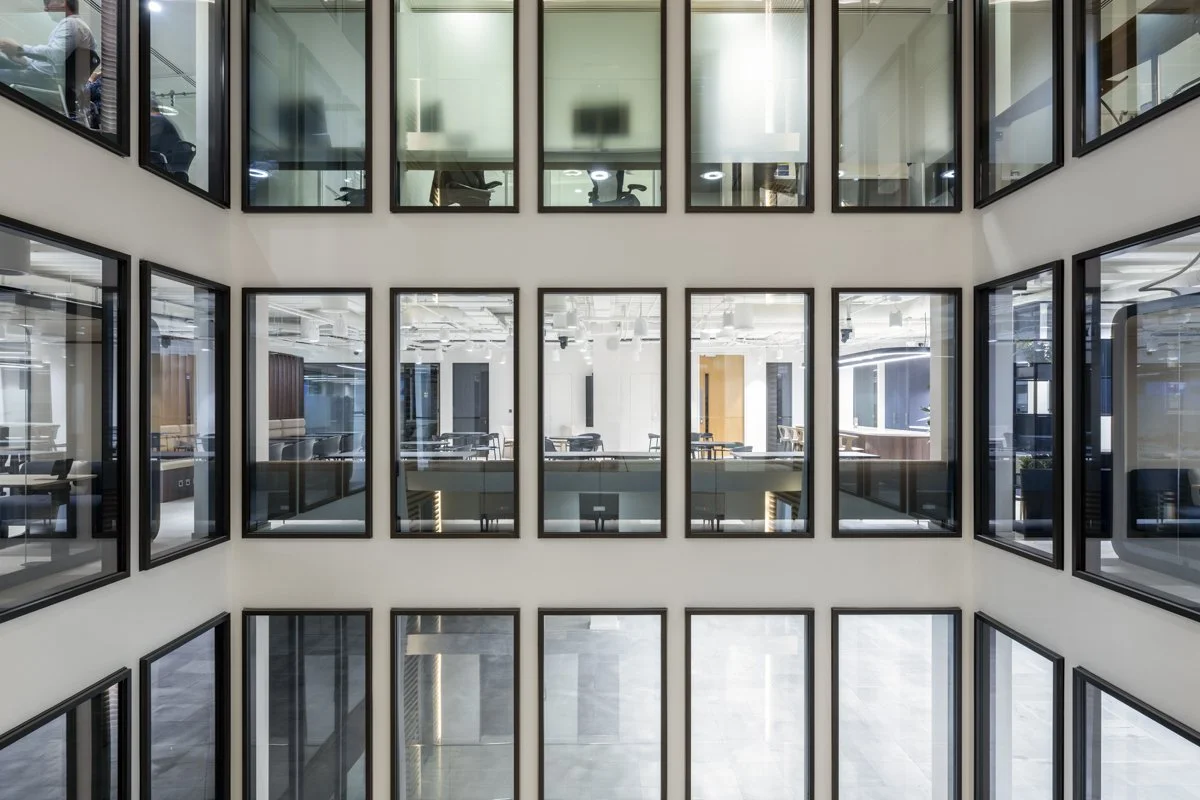
Unmanaged sun exposure through the windows is a key driver of excessive solar heat gain in the office, particularly in glazed buildings. The heat build-up then demands more from AC systems to cool the interiors, increasing energy consumption and operational costs.
What to do: Install high-performance window blinds or solar reflective blinds to regulate the heat entering the space. Automated or manually adjustable blinds allow control throughout the day, limiting solar exposure while maintaining natural light.
Outcome: Treating solar heat load lowers dependence on AC systems, which lowers your overall energy consumption and costs. It’s a simple intervention that stabilises internal temperatures.
7. Install instant hot water systems at tea points
One of the biggest energy inefficiencies lies in the heart of the office: the kitchen. Traditional kettles are routinely overfilled and repeatedly boiled throughout the day. Whether it’s for the necessary early morning coffee or an afternoon catch up over tea, repeated boiling demands a large amount of energy.
What to do: Replace kettles with instant hot water taps that deliver boiling water on demand. These systems heat only the volume required, eliminating excess energy use associated with repeated boiling.
Outcome: Instant hot water systems reduce energy waste at source, lower electricity consumption and associated costs, supporting a more streamlined and sustainable workplace.
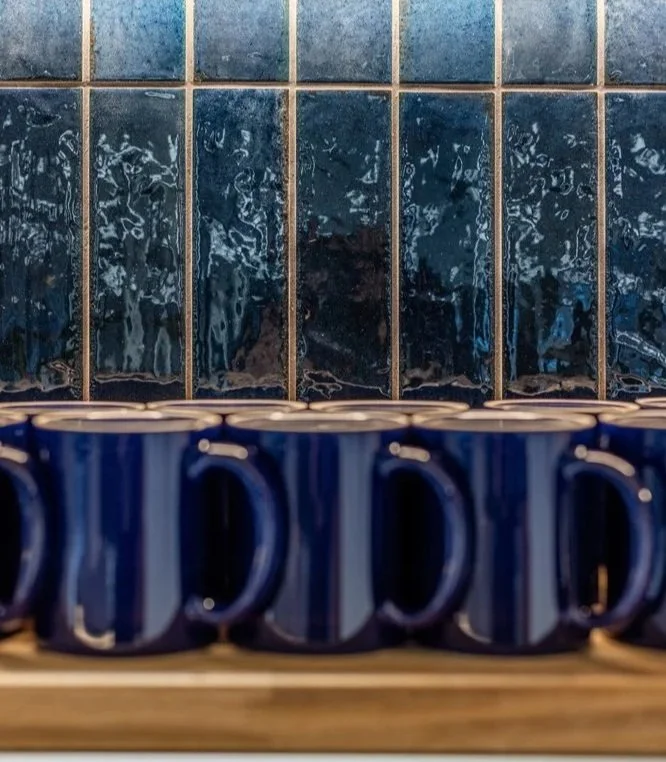
Boiling a tea wastes more energy than necessary
8. Replace gas boilers with heat pump systems
Gas boilers remain a major source of operational carbon emissions in commercial buildings and are increasingly misaligned with tightening environmental regulations.
What to do: Replace conventional gas boilers with heat pump systems for hot water generation. When integrated with well-insulated building infrastructure, heat pumps deliver reliable and consistent performance while requiring substantially less energy input.
Outcome: Heat pumps provide higher energy efficiency than gas boilers and cleaner emissions, reducing overall energy use. They also support compliance with evolving environmental standards while offering more stable, lower long-term operating costs.
Conclusion: The financial impact of environmental consideration
Environmental performance and sustainability should not be treated as a standalone initiative. When embedded into office design from day one, it can not only strengthen your corporate responsibility commitments, but also future-proof your business against unnecessary cost.
Cityspace approaches this as a structured process, with sustainable design embedded into every fit-out project we do, as an ISO 14001-accredited company. Offering sustainability as a service to our clients, we prioritise energy-efficient systems and sustainable materials. As of 2026, our on-site recycling rates exceed 99% -- a direct reflection of our mission to support our clients in minimising their environmental footprint.
To hear more about how we can help implement upgrading your current building or finding a new building that supports your environmental policies, contact us for a consultation.

