On the move

With so many offices lying dormant over the past 18 months, it's easy to overlook the fact that many companies have been active in giving up their existing space and moving to new premises. While the pandemic may have delayed decision-making until firms have a clearer view of how to adapt to a new way of working, for those companies who have impending lease breaks a decision must be made.

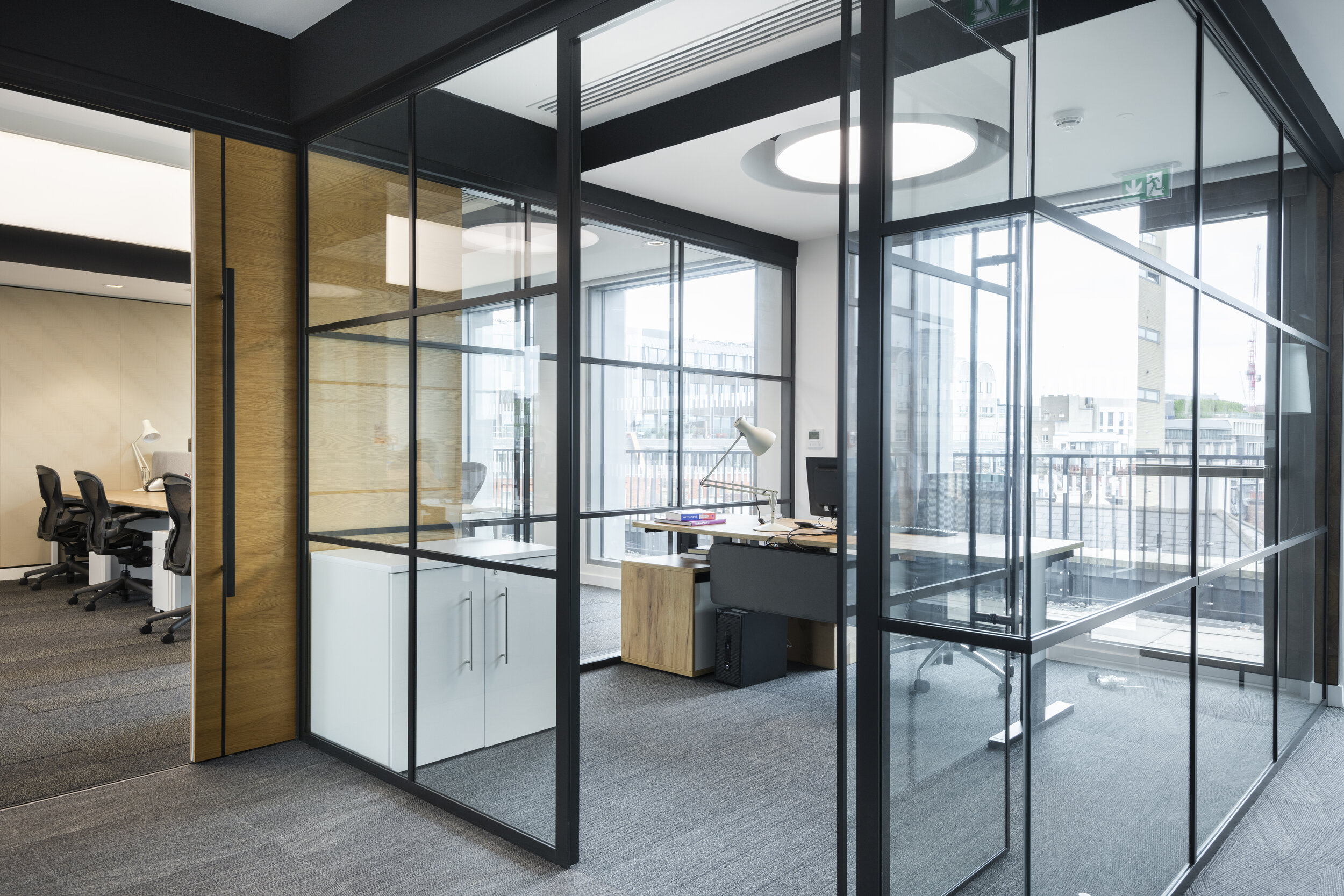
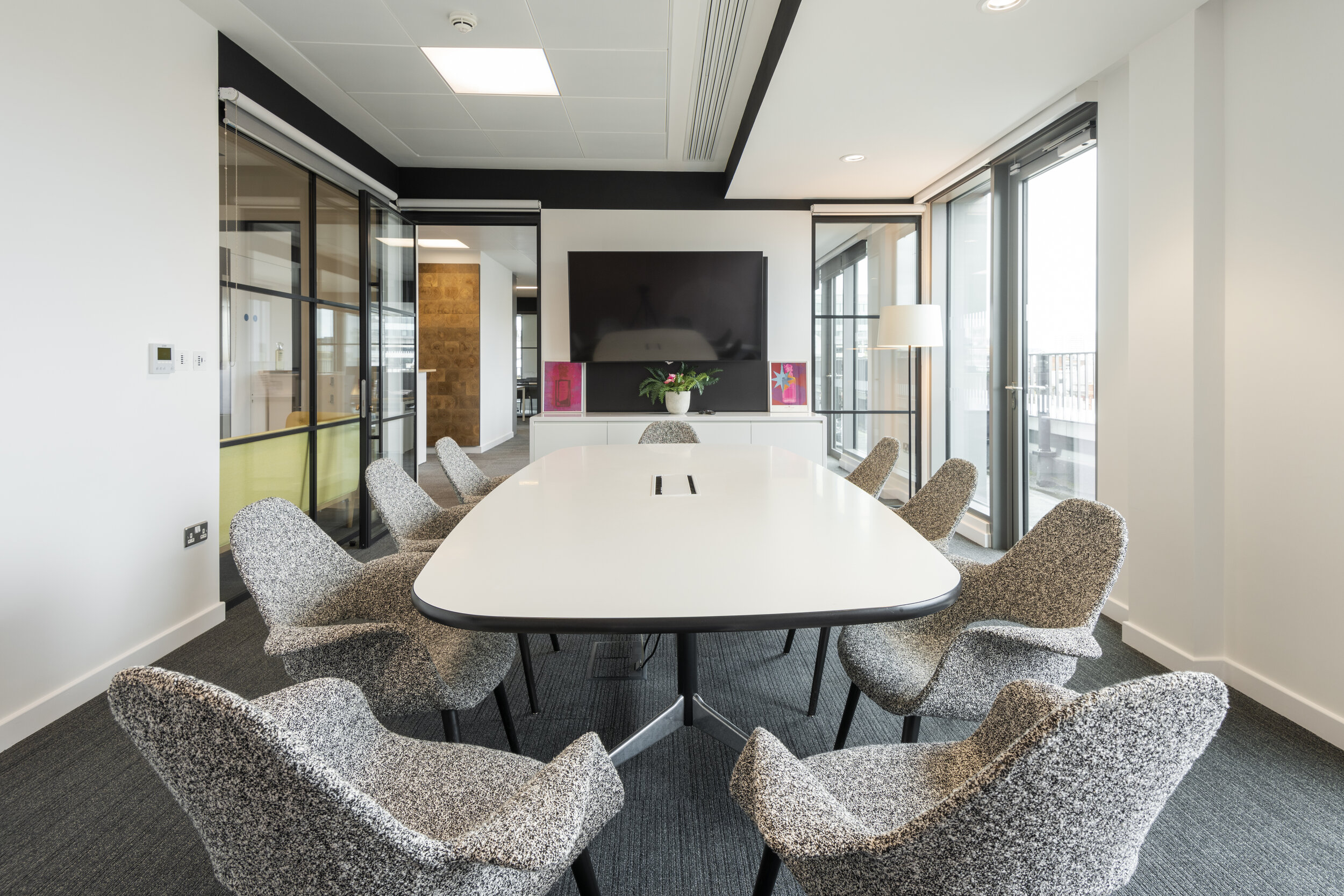
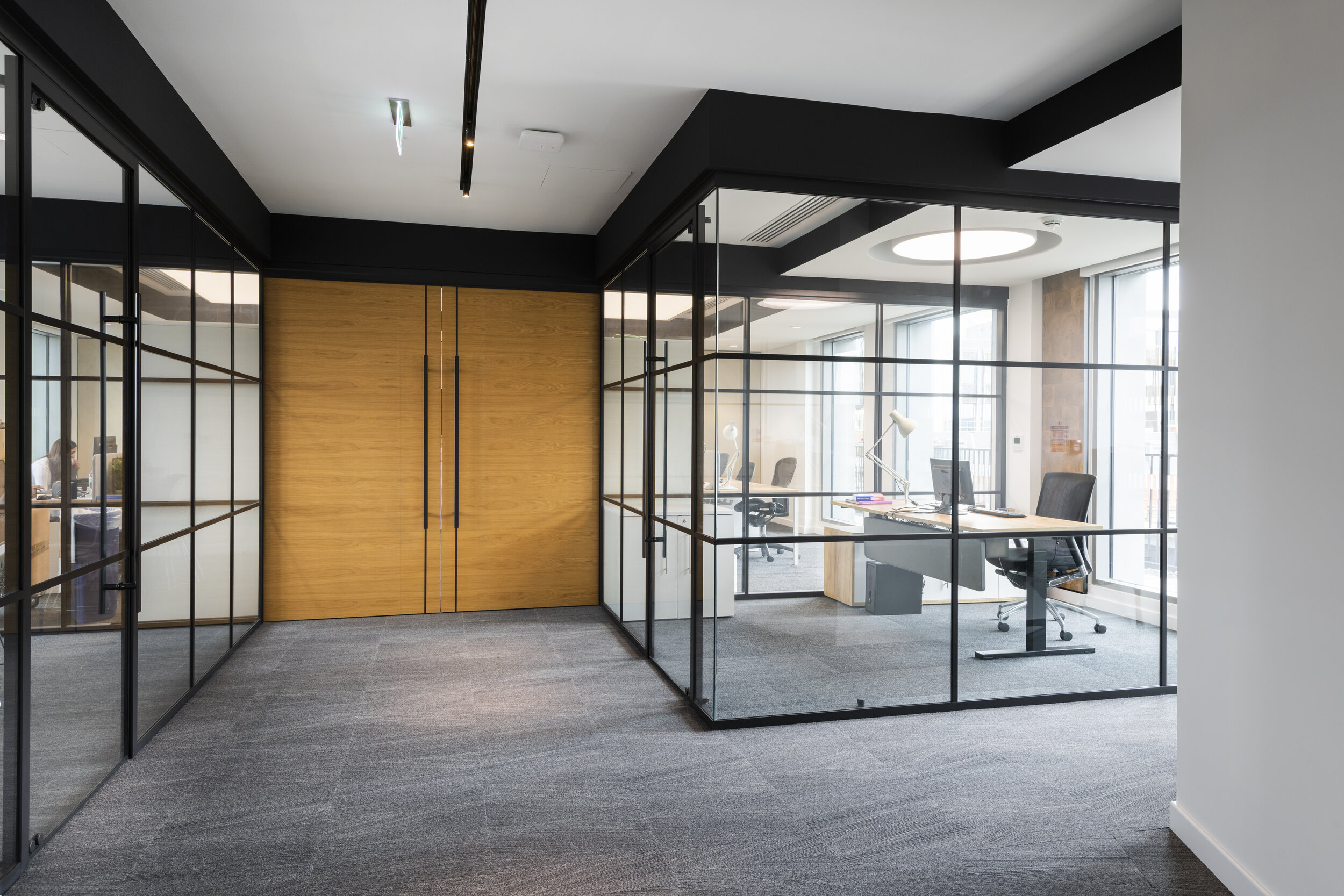
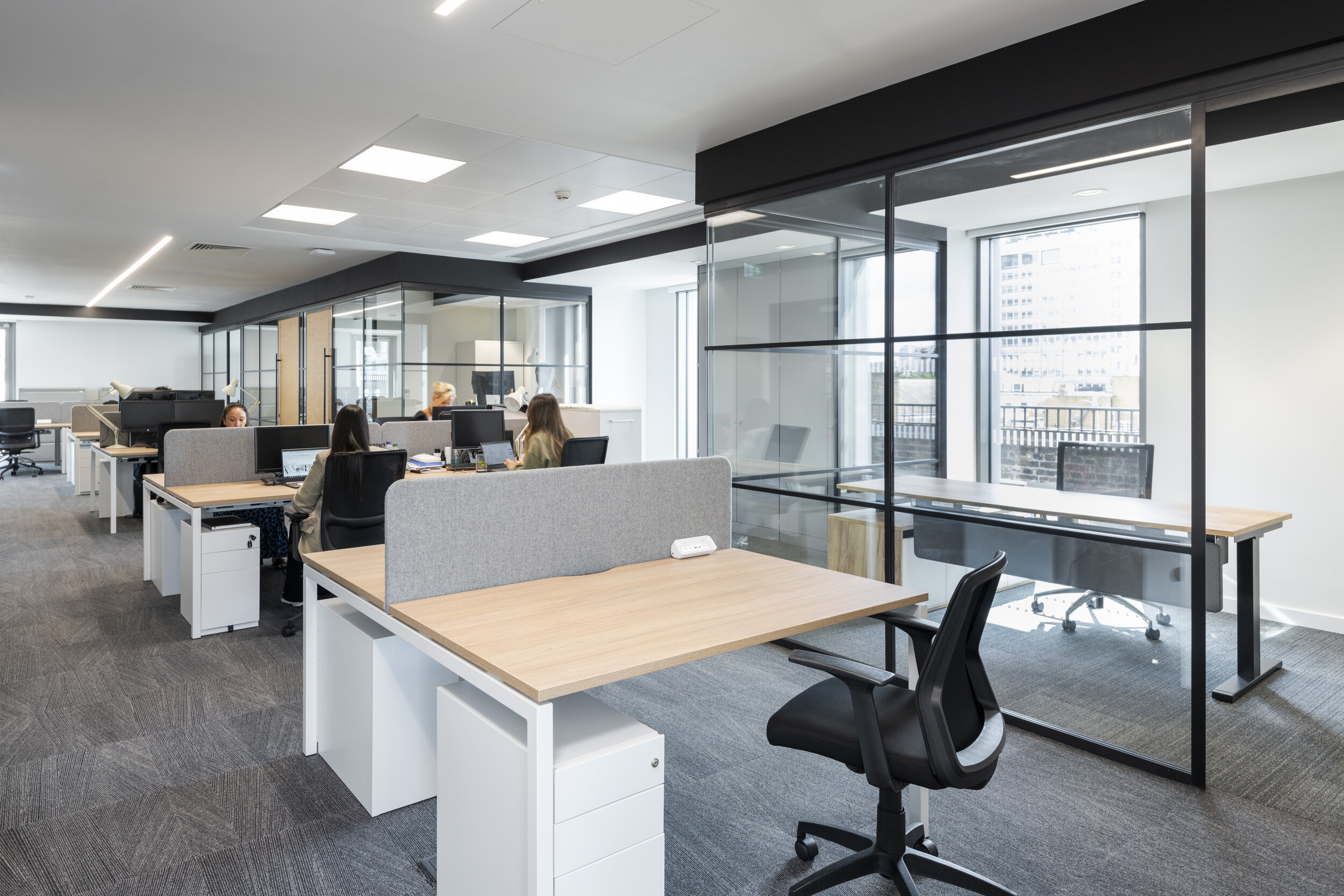
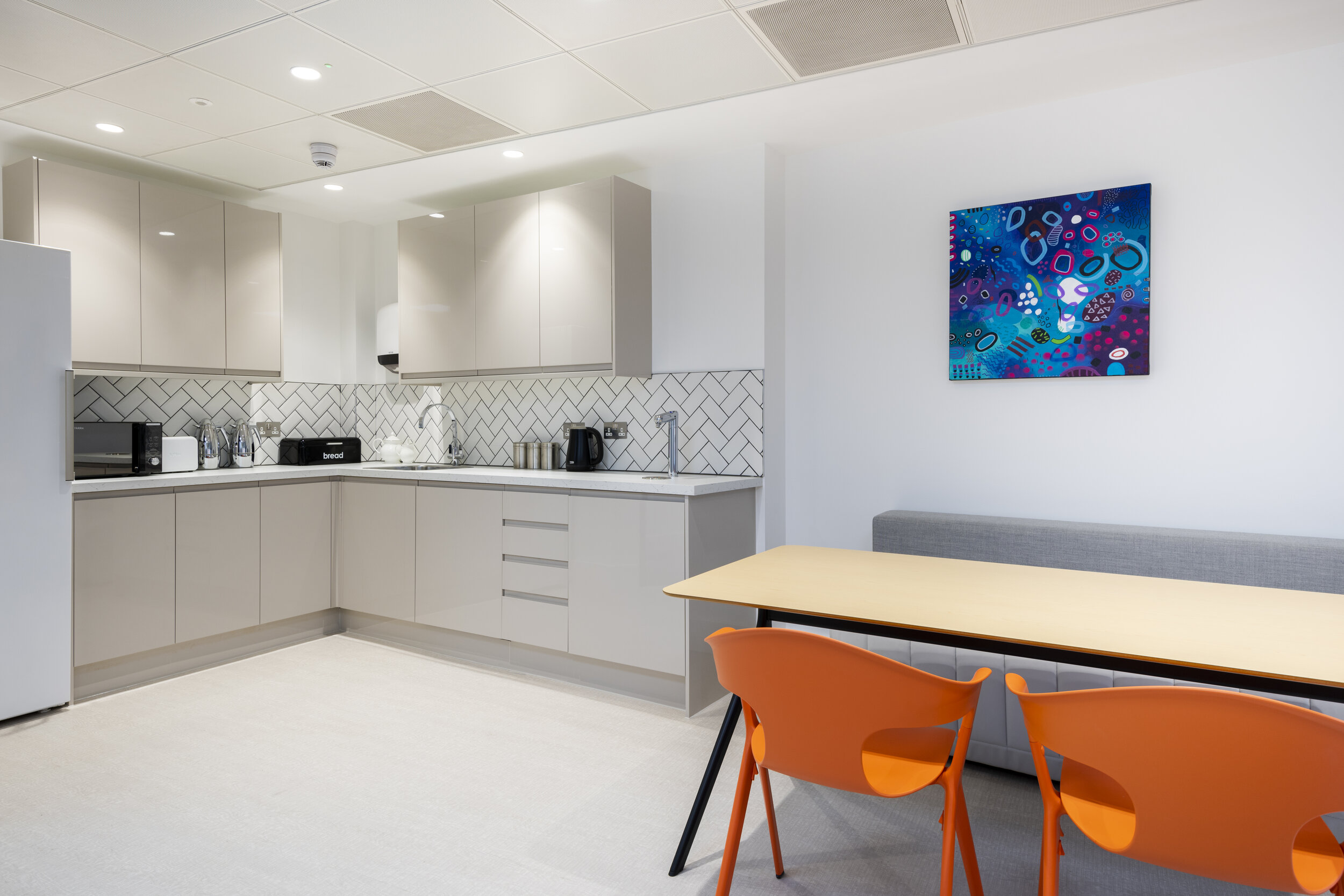
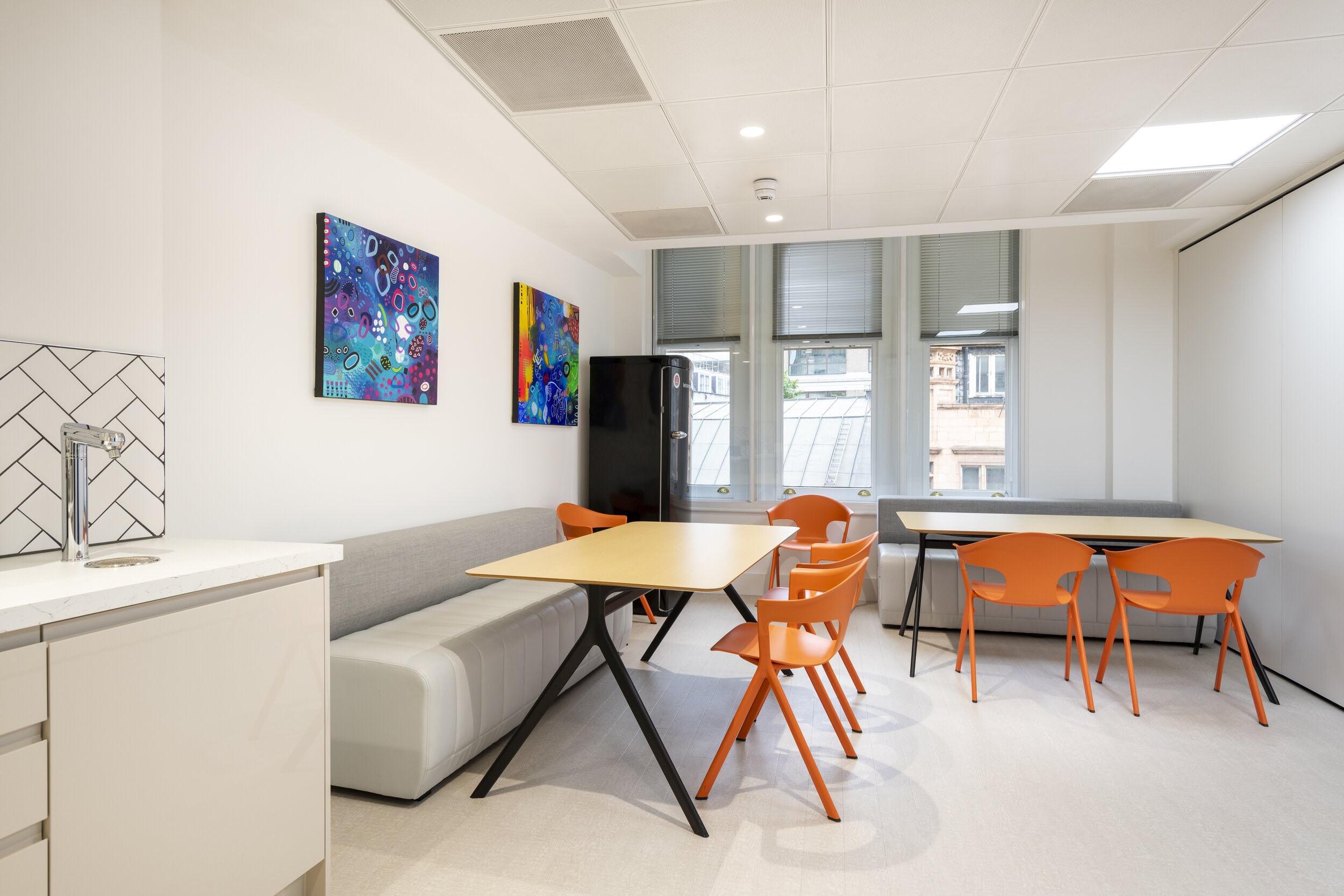
At Cityspace, we have seen an increasing number of clients now making the decision to move premises. A recent project we have just completed is for the French cosmetic, skincare and perfume company, Sisley. Originally sited in Portobello Road, Sisley engaged us to fit-out a top floor office space at 33 Foley Street, Fitzrovia.

The existing space had been previously been fitted for meeting rooms and office space and required a complex adaptation to make the project work for our client’s needs. The original structure comprised a transom of double glazed panels, all of which were bespoke structures. The Cityspace team designed and built a new floor plan, utilising the existing glazing sections to create a suite of offices, meeting rooms and workspaces, specifically for Sisley’s requirements.
Thinking ahead

According to Knight Frank, active demand for office space rose in the second quarter of this year, however vacancy rates also rose to 7.8%, which is 1.2% above the long-run average for London. 

While the market may appear quiet, our advice to clients is not to be complacent - while there may be a higher level than normal of space available, it is still very important to think well ahead for your next office move.

Nowadays, we recommend to our clients looking for spaces under 5,000 sq.ft to start their decision-making process at least 6 months before lease expiry. For properties between 5,000-15,000 sq.ft we recommend starting up to one year beforehand and, for bigger properties, an 18 month time frame is recommended in order to provide the widest choice available.

At Cityspace, we provide extensive support to clients in the early stages of identifying and selecting new office premises. 

If you need help identifying your next property, we have extensive knowledge of both the established commercial neighbourhoods and the emerging hotspots, to provide you with the widest range of options. Using our market-leading knowledge bank, we can identify upstream opportunities of people who may be moving, but have not yet told their landlord or agent. In addition to these off-market opportunities, we also have close relationships with property surveyors, who can provide details of current properties available for let or sale. 

To help you select a new building, our Evaluation Report provides a full building appraisal and feasibility plan to ensure that your potential new office space suits your company’s organisational structure and working style, has flexibility for the future, and allows for any envisaged expansion. 

For more information, please click here or contact the Cityspace team on 0207 638 4250 or email info@cityspacemanagement.co.uk.
Adapting to hybrid working

As we enter the autumn, we at Cityspace are seeing an increasing number of clients now looking to the future and considering the evolving role of the office. As the restrictions imposed by the COVID-19 pandemic subside, firms are moving forward with plans of how to adapt to a hybrid working model and adopt a blended office approach to create the optimum mix of onsite and remote working. 

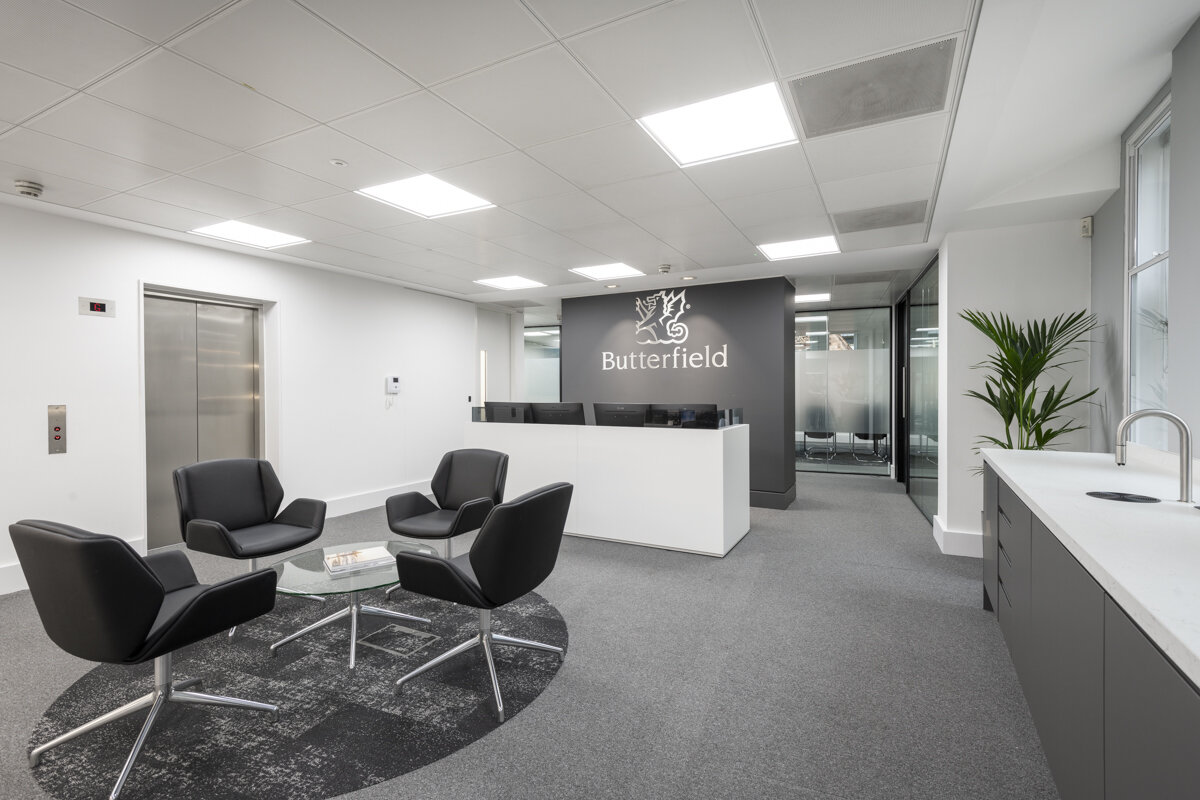
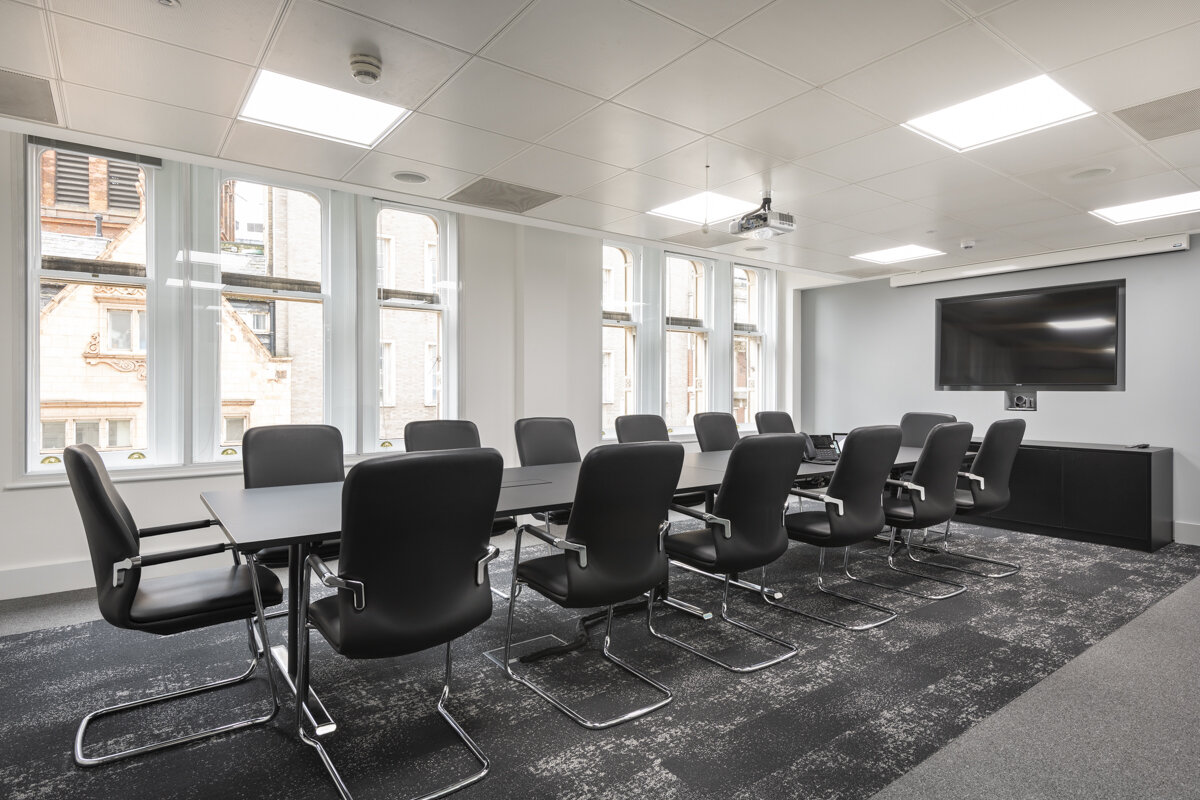
A good example of this is a project we have recently completed for Butterfield Mortgages. Located on Cornhill in the heart of the City, the team at Cityspace designed and built new office interiors for Butterfield over two floors in 2017.

Recognising the success of remote working over the past 18 months, Butterfield made the decision to implement a blended office approach and maintain a percentage of staff working part-time from home on an ongoing basis. 

Adopting a blended office approach has a number of advantages. In terms of functionality, it shifts the role of the office to become a hub for interaction and collaboration rather than just a place for individual work, which could now be accomplished by staff working from home. In addition, creating a blended office can also lead to a significant reduction in floor space. With the cost of rent in London second only to salary costs, this can obviously deliver significant savings to the bottom line.

As we enter the autumn, we at Cityspace are seeing an increasing number of clients now looking to the future and considering the evolving role of the office. As the restrictions imposed by the COVID-19 pandemic subside, firms are moving forward with plans of how to adapt to a hybrid working model and adopt a blended office approach to create the optimum mix of onsite and remote working. 

A good example of this is a project we have recently completed for Butterfield Mortgages. Located on Cornhill in the heart of the City, the team at Cityspace designed and built new office interiors for Butterfield over two floors in 2017.

Recognising the success of remote working over the past 18 months, Butterfield made the decision to implement a blended office approach and maintain a percentage of staff working part-time from home on an ongoing basis. 

Adopting a blended office approach has a number of advantages. In terms of functionality, it shifts the role of the office to become a hub for interaction and collaboration rather than just a place for individual work, which could now be accomplished by staff working from home. In addition, creating a blended office can also lead to a significant reduction in floor space. With the cost of rent in London second only to salary costs, this can obviously deliver significant savings to the bottom line.

Offices are all about people...

One thing that we at Cityspace have always said is that offices are all about people. As companies now plan a return to the office and look to introduce a blended office approach in order to create the right blend of onsite and remote working, the people aspect has never been more important. 

With many people still working from home, a lot of the discussion has been around how much time staff will be allowed to continue working remotely in the future. A survey conducted by our specialist research partner Baker Stuart found that 89% of respondents wanted to work remotely at least some of the time, with 62% wanting to work from home at least two days a week. 

However, a second and equally important question is how the office itself should adapt to this new paradigm. With a percentage of staff working from home, firms are now recognising that the office needs to become a hub for interaction and collaboration, rather than just individual work, but after the anguish and disruption of the past year, it also has to become a place that provides a sense of wellbeing and stimulates the productivity of teams.

It needs to begin with a vision

The starting point for developing a successful blended office concept has to begin with a clear vision. Given the speed of change that has happened to office life over the past year, it’s tempting to believe that things will bounce back and slot into the same routines as before. 

In our discussions with clients, we believe that the change in office life will likely be profound and long-lasting. Not only will staff want to continue to work from home part of the time, when they do return to the office they will also expect an environment that has adapted to the new circumstances.

A key aspect of the office is to create the right culture that reflects the company values and the brand. This will become a lot more difficult to do in an environment that is sparsely populated, still bound by social distancing restrictions, and with a design and layout that was created for a pre-COVID world. There are financial drivers here as well - with the business cost of floorspace in London second only to staff costs, it is imperative that every square foot is used in the most productive way.

Working with clients, the best way to manage this process is to create a clear vision at the outset of where the company and culture is today, and how you would like it to develop over the coming years. By doing so, this can provide management teams with a ‘North Star’ to guide office decision-making in the right direction in what are unprecedented times.     

Office design has to start from the bottom up

The impact of the pandemic has caused a seismic change, not only in the way it has forced people to vacate offices, but also in the way firms now need to plan their return to office life. Previously, decisions about office design and usage were generally top-down, whereby directors and management teams would decide the layout of meeting rooms and the requirements for team areas. 

But now, in order to create a successful return to the office, the decision-making needs to be bottom-up and led by a clear understanding of the issues and concerns of staff members with regard to both returning to and working in the office. The role of HR in office planning has now become crucial.

Three key things that firms need to understand is what are the concerns of people coming back, how will people now interact and work in the new office environment, and how to manage the right balance between onsite and remote working. The only way to get a proper understanding is through an evidence-based approach.

Nowadays, one size fits all thinking is no longer valid. Not only will there be marked differences in attitudes between different firms, there will also be significant differences between teams and demographic groups within a business. Some teams may have coped with the shift to home working much better than others and, within these teams, younger members may be itching to return to the office, while those who commute into London may much prefer to spend a higher proportion of time working from home. All these issues and concerns need to be balanced, but in a way that is also beneficial to the company, to productivity, and to the bottom line.

How Cityspace can help

The team at Cityspace is currently working with clients to help them understand and evaluate the people aspect of this new environment. Working with our research partner Baker Stuart, we can survey your staff to get a clear understanding of how they feel and then help you put an evidence-based plan into action.

If you would like any help, advice or further information, please give us a call on 0207 638 4250 or email info@cityspacemanagement.co.uk.
Don’t just remodel - it’s now time to reimagine the office...

The role of the office is now changing and evolving. As we near the end to what we hope will be the final lockdown, firms are now planning the future shape and size of their offices and how best to create a seamless blend between teams working within the office and those working from home.

But in creating this new ‘blended office’ approach, a key factor companies need to keep in mind is this - it's not just about remodelling your office to accommodate on site and remote working, it's about reimagining how your office will work both post pandemic and five years into the future. This has consequences in how you should think about and approach a blended office concept, in order to deliver the best results for your company, your staff and your bottom line.

Reimagining your office

With many companies planning to retain a proportion of time spent working from home, the role of the office is naturally evolving. Gone will be the need to accommodate all staff on a daily basis, meaning that the old desk-per-person policy may no longer be required. As a result, occupational density will fall, less desks will be required, making way for floor space to be used in different and more productive ways. 

The office of the future will therefore be about creating a space for people to meet and gather, to exchange ideas, launch new projects, and collaborate in both formal and informal ways. This, in turn, will require a reimagining of how meeting rooms, formal and informal spaces and collaboration zones are laid out and used, and how they seamlessly connect to team members working remotely.

However, individual work and workspaces will continue to be an important aspect of the office. After getting together for meetings, teams will still need a head-down space to work, and individuals will still require quiet zones in which to retreat to either work or Zoom.

For most companies, the cost of your office floor space is second only to the cost of employee salaries, meaning that it is imperative to use it in the most productive and cost effective way.

Culture is key

Moving towards a blended office concept has important cultural aspects that also need to be taken into account. After all, offices are all about people and an important goal of the office space is to create an environment that optimises the happiness and productivity of teams.

To create the right culture in your post-pandemic workplace, it is important to first understand your staff’s issue and concerns with regard to both returning to and working in the office, and their feelings about continuing to work remotely on a more permanent part-time basis.

Working with clients, we have found that there are not only differences between companies but also between staff groups within companies, meaning that bespoke solutions need to be applied.

Remembering those working from home

In tandem with reimagining the office, companies also need to consider their duty of care to staff working from home. Initially, working from home under COVID-19 was just a stopgap solution with employers sending staff home, often with a little thought about their home working environments. 

This has not only been bad news from individuals' posture, health and wellbeing, but also for employers' duty of care - under the law, companies are responsible for the equipment their staff use irrespective of where they are using it. Companies therefore now need to think longer term about their employees’ safety and welfare, and ensure they are using equipment which is ergonomically designed and meets Health & Safety (HSE) and Display Screen Equipment (DSE) regulations.

How Cityspace can help

The team at Cityspace is currently working with a number of clients to help them reimagine their office space and create a new blended office that meets their organisational needs.

We can help you understand how your staff really feel by conducting staff surveys in conjunction with our specialist research partner, Baker Stuart, one of only 10 companies in the world who are accredited for the WELL building standard.  

We can help you meet your duty of care as an employer by conducting home working DSE assessments through our partner DSE Assessments Ltd, which are comprehensive in identifying risk and recommending actions for improvement. And, through our sister company Homespace, we can provide you with the best homeworking packages suitable for full-time work (please visit www.homespaceoffice.co.uk).

If you would like any help, advice or further information, please give us a call on 0207 638 4250 or email info@cityspacemanagement.co.uk. 
The future of the office is bright… and blended

With so much upheaval to office life and working practices over the past year, one thing has been a constant - the need to remain flexible. 

At the beginning of the COVID-19 pandemic, both firms and their staff had no time to think as they hurriedly transitioned to working from home and social distancing within the office. What has become clear is that this massive home working experiment has worked much better than many companies initially expected.

As an end to the pandemic is now hopefully in sight, firms now have more time to reflect and consider planning the future of their office, and how to create the right blend in order to make onsite and remote locations work seamlessly in tandem.

What is now the role of the office? 

Many companies are planning to retain elements of working from home in the future and, as a consequence, the role of the office is changing. Rather than just utilising a singular site for business, working has now gone plural, consisting of a mix of office attendance and remote working.

Accompanying this change, the office now needs to adapt and become more flexible. It has to move from the concept of a site where each employee has their own desk, to become a space where people meet and gather to exchange ideas, launch projects and collaborate in both formal and informal ways. By doing so, firms will be able to increase the happiness and productivity of their teams, and at the same time make the most effective use of the office floorspace that they rent.

For those businesses who are already advanced in their thinking, there are a number of simple and cost-effective solutions to create a blended office approach, which we outlined in our earlier blog 5 Ways to bring back the buzz to your COVID-secure office.

But for many firms, how to take this next step may not be so clear; they need help formulating their plans and the team at Cityspace is currently working with clients to do this.

How Cityspace can help

Creating your new blended office does not begin with moving walls and designing floor plans. It starts with an approach and plan that is tailor made for your organisation to ensure the best outcomes. 

Here is how the Cityspace space team can help:

  • Creating evidence based standards for workplace organisational fitness - our workplace and change management expert, Dr Linda Seward, will gladly talk you through our approach, ideas and outcomes based on experiences with other clients.

  • Understanding your staff’s issues and concerns - we can show you how your teams really feel by conducting staff surveys, in conjunction with our specialist research partner, Baker Stuart, one of only 10 companies in the world who are accredited for the WELL building standard.  

  • Meeting your duty of care as an employer - under the law, companies are responsible for the equipment their staff use, irrespective of where they are using it. We can help you meet your duty of care by conducting home working DSE assessments through our partner DSE Assessments Ltd, which are comprehensive in identifying risk and recommending actions for improvement.

  • Bringing you the best homeworking packages suitable for full time work - through our sister company, Homespace, we have assessed and selected from across the entire market the best designs, functionality and value for money homeworking products. Please visit www.homespaceoffice.co.uk.

  • Refocusing, reconfiguring or redesigning your existing office space - we believe one size does not fit all, so we work differently to others with a truly consultative approach to deliver the blended office that is right for you.

If you would like any help, advice or further information, please give us a call on 0207 638 4250 or email info@cityspacemanagement.co.uk.